
Office buildings
with climate-friendly heat.
No investment.
Tenants ask for ESG evidence, banks look at the energy certificate. A provider builds, finances and operates the new heat supply. You only pay the agreed heat price and pass it on through the service charges as before.
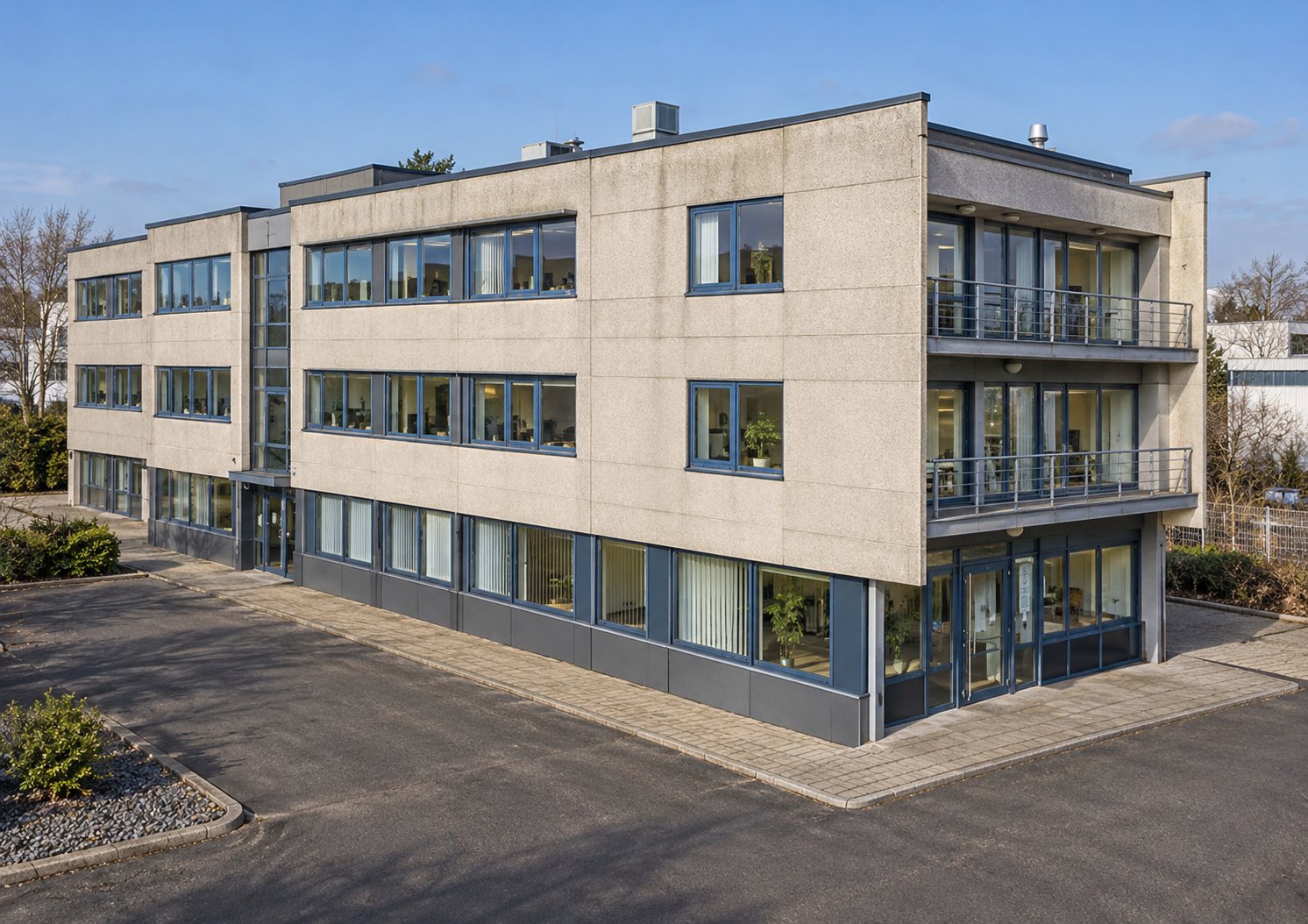
- €0investment for the conversion
- 15 yearsfixed heat price, at least 10
- Leased space untouchedno intervention for your tenants
Fossil heating is the biggest risk for leasing and valuation.
Tenants ask for ESG evidence
Large tenants report on their own emissions and ask with every lease how the building is heated. Space without a CO₂ perspective stays vacant longer.
Banks and buyers check the energy certificate
In financing, refinancing and sale the energy figure counts. A gas boiler from the nineties weighs on valuation and terms.
Service charges rise with the gas price
Every price jump ends up in your tenants' service charge statement. High service charges weaken your position in new lettings and renewals.
Where your office building needs heat
- Office space
- Meeting rooms
- Lobby and stairwells
- Washrooms
- Canteen and kitchenettes
- Ventilation system
Buy heat instead of owning a heating system
Own retrofit
- You bear the conversion costs
- Asset management plans, tenders and supervises
- An outage in winter is your risk
- Service charges fluctuate with the gas market
- Conversion can touch leased space
With NetZero
- The provider bears the conversion costs
- The provider plans, finances and operates
- Fault service and response times in the contract
- Heat price fixed for 10 to 15 years
- Work in plant room, outdoor area and roof
You pay the agreed heat price per kilowatt hour and pass it on through the service charges. Kola NetZero is paid by the provider, the assessment is free for you.
What gets installed in your office building
Planning, conversion and operation are handled by the provider. Tap the points on the image.
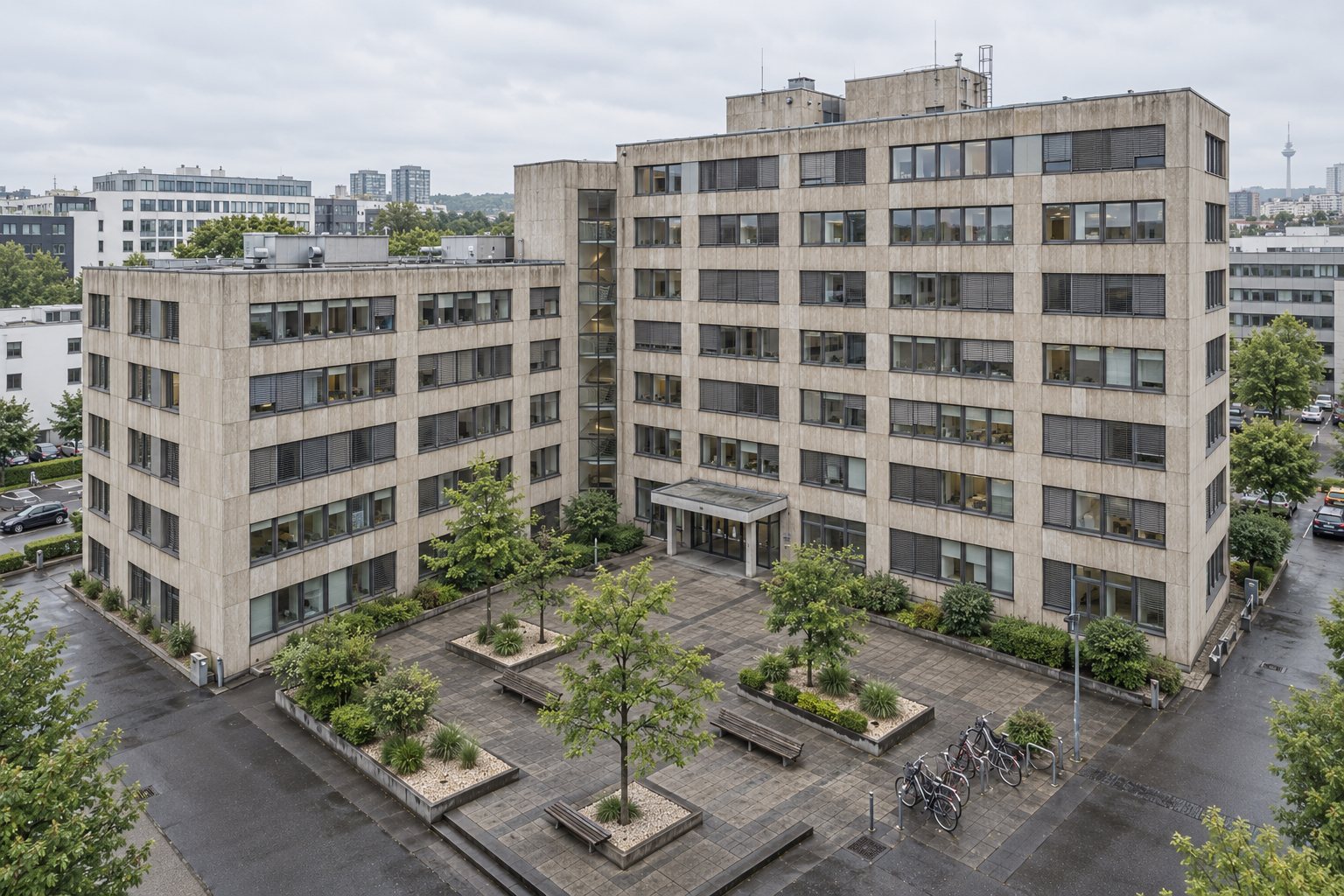
Flat roofs of office buildings often offer a lot of space. The electricity covers part of running the heat pumps.
Replace boiler and burner. On office buildings the outdoor units often stand on the flat roof, alternatively on an outdoor area.
Storage and hydraulics go into the existing boiler room. Existing ventilation and cooling stay untouched or are integrated where it makes sense.
Sensors and valves on the existing pipe network lower the flow temperature and turn heating down at night and at weekends when nobody is in the office.
Your tenants keep working
The switch-over is scheduled outside the heating season or on a weekend and coordinated with property management and tenants.
Planning
Site visit of plant room and roof, design based on your actual consumption.
Preparation
Work on the roof, outside and in the plant room, without intervention in leased space.
Switch-over
Outside the heating season or at a weekend, coordinated with property management and tenants.
Operation
Maintenance, fault service and billing sit with the provider.
- No intervention in leased space
- No scaffolding on the facade
- No interruption to office operations
Which office buildings qualify
- Central heat generationOne boiler room for the building, today gas, oil or district heating.
- From around 2,000 square metres of lettable areaNo upper limit. Several properties of a portfolio are assessed together.
- One owner for the buildingThe heat supply contract runs with the owner.
- Space for the technologyFlat roof or outdoor area for the units, roof area for photovoltaics is an advantage.
- Energy statements and energy certificateOf the last three years, available or obtainable.
What you can show afterwards
For tenants
A building without fossil heating is an argument when leasing, especially for tenants with their own climate targets.
For banks and buyers
The figure on the energy certificate drops clearly, heat costs are predictable over the term. Both count in financing and valuation.
For ESG reporting
You receive the operating data from the provider. Classification, for example for the EU taxonomy, is something to clarify with your advisers.
Four steps to an offer
- 1
Submit your property
Address and key data, plus energy certificate and energy statements. Takes two minutes, we read the key data from your documents.
- 2
Calculation
We check the data and align the design with the provider. Feedback usually within 5 working days.
- 3
Offer and site visit
Written offer with a guaranteed heat price, site visit of plant room, floor space and roof.
- 4
Contract and implementation
Heat supply contract with the owner, then scheduling of the switch-over outside the heating season.
Frequently asked by owners and asset managers
Do office operations continue during the conversion?
Yes. Work concerns the plant room, outdoor areas and roof. The switch-over itself is scheduled outside the heating season or on a weekend.
How does this affect tenants' service charges?
Heat is allocated through the service charges as before, with a fixed price per kilowatt hour instead of fluctuating gas prices. Whether and how allocation is possible is governed by your commercial leases; check the service charge clauses.
Does this count for the EU taxonomy and ESG reporting?
Switching to heat pumps and photovoltaics measurably reduces the building's primary energy demand and CO₂ emissions. You receive the operating figures from the provider; classifying them in your reporting remains a matter for your advisers.
We have cooling in the building. Does that fit?
Existing cooling and ventilation stay untouched. Whether they can be integrated is checked by the provider during the site visit.
Does this work for a whole portfolio?
Yes. Several properties of one owner or fund are assessed together and prioritised by potential.
What does the assessment cost?
Nothing. Assessment, site visit and offer are free of charge and without obligation. Kola NetZero is paid by the provider.
Does your office building qualify? Let us find out.
Energy certificate and energy statements are enough to start. Feedback within 5 working days, free and without obligation.
Submit property with documents